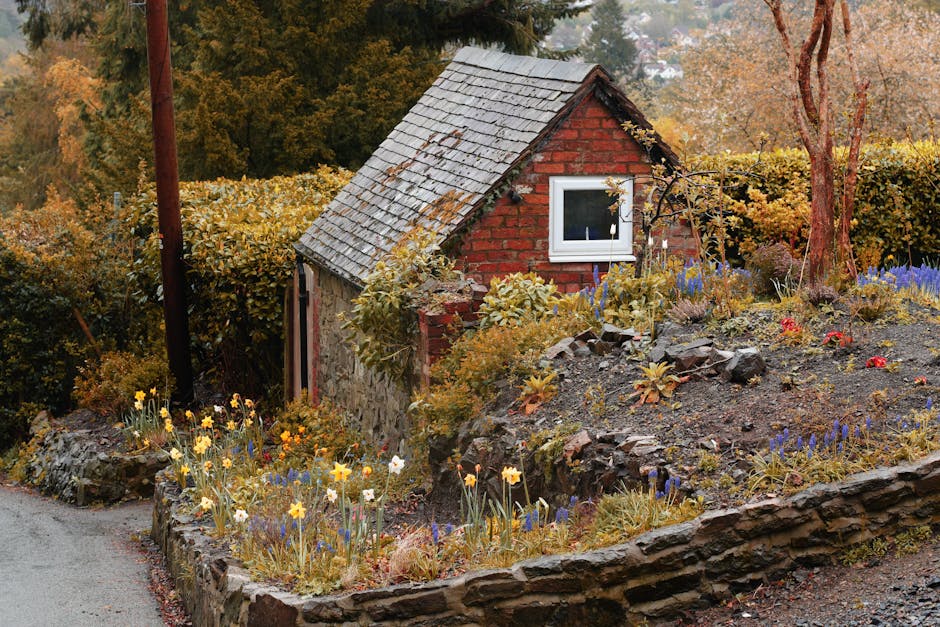
Richmond Hill garden guide for steep slopes by gardeners
If you have a steep garden in Richmond Hill, you already know it can be beautiful and a bit awkward at the same time. One minute you're looking at layered views and good drainage; the next you're wondering how on earth you're meant to mow, plant, or even walk across it without slipping. This Richmond Hill garden guide for steep slopes by gardeners is here to make the whole job feel less daunting and a lot more workable. We'll cover the practical side of slope gardening, the design choices that actually hold up, and the small details that save you time, money, and a few sore knees.
Truth be told, steep gardens are often treated like a problem to hide. They're not. With the right plan, they can become the most characterful part of the property. The trick is to work with the land rather than fight it. That means thinking about soil movement, access, planting structure, water flow, maintenance, and safety from the outset. If you are considering help from a professional team, it can also be useful to explore the range of gardening services available and understand the approach behind the company's background and values before you begin.
Table of Contents
- Why Richmond Hill garden guide for steep slopes by gardeners Matters
- How Richmond Hill garden guide for steep slopes by gardeners Works
- Key Benefits and Practical Advantages
- Who This Is For and When It Makes Sense
- Step-by-Step Guidance
- Expert Tips for Better Results
- Common Mistakes to Avoid
- Tools, Resources and Recommendations
- Law, Compliance, Standards, or Best Practice
- Options, Methods, or Comparison Table
- Case Study or Real-World Example
- Practical Checklist
- Conclusion
- Frequently Asked Questions
Why Richmond Hill garden guide for steep slopes by gardeners Matters
A steep slope changes everything. Water moves faster downhill. Soil dries in places and washes out in others. Footing becomes uncertain, especially after rain, and regular garden tasks start to take twice as long. In Richmond Hill, where many gardens are shaped by level changes, retaining walls, terraces, and mature planting, a steep garden is not unusual at all. It is simply a space that needs a more thoughtful method.
The reason this matters is simple: poor slope management can create ongoing headaches. Erosion can expose roots, destabilise paths, and make planting fail. A badly planned bank can become patchy and difficult to maintain. And if there are children, pets, or older family members using the space, the safety picture changes quickly. A well-considered garden on a gradient, by contrast, can feel calm, ordered, and surprisingly easy to live with.
That is why people looking for a Richmond Hill garden guide for steep slopes by gardeners are usually after more than design inspiration. They want a realistic plan. Something that explains how to stabilise a slope, how to improve access, and how to choose planting that does not collapse after the first heavy shower. Let's face it, gardens should be enjoyable. They should not feel like a weekly rescue mission.
Expert summary: On steep sites, the best results usually come from combining structure, drainage, and planting together. If one of those three is missing, the garden will often feel unfinished no matter how tidy it looks on day one.
How Richmond Hill garden guide for steep slopes by gardeners Works
The process starts with understanding the slope itself. Not every steep garden needs the same treatment. Some are best handled with terracing and steps. Others can be stabilised with planting and subtle contouring. A few need a mix of hard landscaping and soft landscaping to make the whole space usable.
A gardener will usually begin by looking at five things:
- Gradient - how steep the slope actually is, and where the steepest points sit.
- Soil condition - whether it is compacted, sandy, clay-heavy, or prone to slipping.
- Water movement - where rain flows, pools, or cuts channels through the bank.
- Access - how people will move through the space without struggling.
- Long-term upkeep - how much work the finished garden will need through the seasons.
Once those basics are clear, the design choices become much easier. For example, a narrow side slope might need a simple planted bank with edging, whereas a larger rear garden could benefit from retaining levels and stepped areas for seating. In practical terms, slope gardening is really about zoning. You decide where movement happens, where planting dominates, and where the eye should rest.
And yes, there is a lot of judgement involved. Two slopes of similar size can behave completely differently after rain. One may drain beautifully while the other slowly slumps sideways. That is why experienced gardeners pay close attention to the site rather than assuming a standard fix will do.
Key Benefits and Practical Advantages
There are good reasons to invest real thought into a steep garden. It is not just about appearances, although a tidy terraced slope can look fantastic. The practical gains are often even more valuable.
- Improved safety: Better steps, stable paths, and controlled surfaces reduce the risk of slips.
- Less erosion: Strategic planting and structure help keep soil in place during wet weather.
- Better use of space: Terracing and stepped planting can turn awkward ground into usable garden rooms.
- Lower maintenance: A planned slope is easier to mow, weed, prune, and water.
- Stronger planting success: Plants placed in the right micro-conditions settle faster and survive longer.
- More visual interest: Level changes create natural depth, texture, and focal points.
There is also a subtle psychological benefit. A garden that once felt messy or difficult starts to feel under control. That matters. You notice it when you step outside with a coffee on a quiet morning and realise the space finally works with you, not against you. Small thing, maybe. But it changes how you use the garden.
Who This Is For and When It Makes Sense
This kind of guidance is especially useful if you have one of the following situations:
- a rear garden that drops away sharply from the house;
- a side return with an uneven or slippery bank;
- a mature garden where roots, paving, or old walls have shifted the levels;
- a new build or refurbished property with a bare slope that needs shaping;
- an outdoor space that is hard to access for routine maintenance;
- a garden where water runoff is becoming a regular issue.
It also makes sense if you are deciding whether to bring in help or attempt the work yourself. Some slope jobs are manageable for a confident DIYer, especially planting and light tidying. Others really do need a professional eye, particularly where there are retaining structures, poor drainage, awkward access, or any sign of movement in soil or masonry.
To be fair, a steep garden often looks more straightforward than it is. You might think, "It's just a bank, how hard can it be?" Then you start moving compost uphill in warm weather and the answer becomes obvious. Quite hard, actually.
Step-by-Step Guidance
Here is a practical way to approach a steep slope in Richmond Hill without overcomplicating things.
1. Assess the site properly
Walk the garden after rain if you can. Look for muddy channels, bare patches, exposed roots, and places where you naturally avoid walking. Notice where the slope is most severe. This first pass tells you a lot.
2. Decide what the space must do
Ask a simple question: do you want the slope to be mostly decorative, partly usable, or fully accessible? A decorative embankment needs a different approach from a family garden that must support regular foot traffic.
3. Plan levels and movement
If the gradient is strong, terracing can transform usability. Even two or three modest levels can break the slope into manageable sections. Steps should feel comfortable, not like climbing a ladder in the rain. If you can, keep landings wide enough to pause and turn safely.
4. Sort drainage before planting
Any garden on a slope needs water thinking. Surface runoff should be slowed and directed rather than allowed to carve its own path. Depending on the site, that may mean edging, permeable surfaces, improved soil structure, or careful shaping of the ground. A well-drained slope is much easier to plant and maintain.
5. Choose the right plants for the right positions
Upper slope, middle slope, and lower slope often have different moisture and exposure conditions. Sun-loving, drought-tolerant plants often suit the top and middle better, while moisture-tolerant planting may work lower down where water naturally gathers. Ground cover is particularly helpful because it knits the soil together.
6. Build access into the design
Think about how you will prune, weed, and water the space in six months' time, not just how it looks on installation day. A beautiful slope that is impossible to maintain soon becomes a frustration. Narrow timber stepping points, compact paths, or occasional access platforms can make life much easier.
7. Finish with a maintenance plan
Once the garden is in place, plan a seasonal routine. New planting on slopes usually needs extra attention in the first year. Watering, checking fixings, and replacing failed plants early will pay off later.
Expert Tips for Better Results
Here are the small details that tend to make the biggest difference.
- Use layers, not isolated plants. Repeating a few tough species tends to stabilise a slope better than scattering lots of one-off specimens.
- Mulch carefully. Mulch helps retain moisture, but on a steep bank it can wash away if applied too loosely. Light, well-managed layers work best.
- Prioritise root structure. Plants with fibrous, anchoring root systems usually hold the ground better than shallow, floppy choices.
- Keep finishes simple. The more complex the slope, the more likely maintenance becomes awkward.
- Test your access points. If you cannot comfortably carry a watering can, trimmer, or bag of soil to a spot, that part of the design probably needs rethinking.
- Expect the first season to be a settling-in period. New slopes often need little adjustments. That is normal, not failure.
One good rule? If a feature looks clever but will be annoying to clean, prune, or repair later, think twice. Slope gardens reward practical design. They do not reward drama. Not for long anyway.
If the project feels larger than a routine garden refresh, it may help to compare scopes and get a clearer sense of the work involved through the pricing and quotes information before moving ahead.
Common Mistakes to Avoid
Steep garden projects often go wrong in predictable ways. The good news is that most of them are avoidable.
- Ignoring drainage: Planting first and dealing with runoff later usually ends badly.
- Choosing decorative plants only: Pretty is fine, but stability matters too.
- Making steps too steep: Shortcuts here are uncomfortable and unsafe.
- Overloading the slope with heavy features: Large pots, dense stonework, or poorly placed structures can add stress to the land.
- Underestimating maintenance: A slope that looks great in spring can become tricky by late summer if access is poor.
- Skipping professional advice on walling or structural work: If there is any sign of instability, get proper guidance before altering the site.
A classic mistake is trying to "flatten" everything without really studying the terrain. That sounds neat, but it can create awkward transitions and drainage problems. Sometimes the slope needs shaping, not erasing.
Tools, Resources and Recommendations
The right tools make slope work safer and less tiring. You do not need a huge kit for every job, but some items are especially helpful.
- Secateurs and loppers: for controlled pruning on uneven ground.
- Spade and border fork: for planting and soil improvement.
- Wheelbarrow with good grip: useful, though on slopes it often needs planning and a steady hand.
- Kneeling pad or small garden seat: useful when working on lower terraces or banks.
- Measuring tape and string line: helpful for marking levels, steps, and planting lines.
- Gloves with a proper grip: small thing, big difference when the ground is damp.
For homeowners thinking about wider support, it can be useful to review the company's health and safety policy and insurance and safety information before arranging work on a steep site. That is particularly sensible where access is tight or the garden includes mature walls, steps, or uneven surfaces.
If you care about what happens to old green waste, clippings, or removed material, have a look at the recycling and sustainability approach. It is a good sign when garden work is handled with reuse and waste reduction in mind.
Law, Compliance, Standards, or Best Practice
When slope work involves hard landscaping, retaining features, or changes near boundaries, it is wise to proceed carefully. You do not need to become a legal expert, but you should understand the basics of best practice.
In the UK, garden work should be carried out with proper attention to safety, especially where tools, machinery, ladders, or uneven ground are involved. For structural elements such as retaining walls, steps, railings, or major level changes, competent design and installation matter. If a feature affects drainage, access, or neighbour boundaries, that adds another reason to take advice before starting.
It is also sensible to confirm terms, payments, and expectations clearly before work begins. If you are arranging a site visit or booking a project, the terms and conditions and payment and security information can help set the right expectations. Likewise, for a straightforward way to open a conversation, the contact page is the cleanest next step.
Best practice is not just about avoiding trouble. It is about building a garden that lasts, looks good, and stays safe through wet weeks, dry spells, and all the in-between weather Richmond Hill seems to get in a single afternoon.
Options, Methods, or Comparison Table
Different slopes call for different methods. The table below gives a practical comparison of the most common approaches.
| Method | Best for | Advantages | Trade-offs |
|---|---|---|---|
| Terracing | Steeper gardens with usable width | Creates flat areas, improves access, helps control runoff | More construction, higher planning and maintenance needs |
| Planted bank | Moderate slopes and lower-maintenance spaces | Natural look, good for erosion control, often simpler | Less usable space, needs thoughtful planting and establishment time |
| Steps and paths only | Narrow slopes or transitional zones | Improves movement, keeps design relatively light | Does not solve all erosion or planting challenges on its own |
| Mixed approach | Most real-world Richmond Hill gardens | Balanced use of structure and planting, adaptable to the site | Requires more planning, but usually the most practical |
In many gardens, the mixed approach wins. It is not the flashiest option, but it tends to feel the most natural once the work is done. A bit of structure here, a planted slope there, and the whole garden starts to make sense.
Case Study or Real-World Example
Imagine a Richmond Hill rear garden that falls away sharply from the back door. The owners want somewhere to sit, enough planting to soften the hard edges, and a route that does not feel slippery in winter. The first instinct might be to level everything, but that would mean major excavation and likely more disruption than needed.
A more grounded solution would be to create two low terrace levels with a compact central path, then plant the sloped sides with tough, root-binding ground cover and mid-height shrubs. The top terrace might serve as the main seating area near the house. The lower level could become a quieter planting zone, with better moisture-loving species closer to the base. Simple timber or stone edging would help hold the shape, while the planting would visually soften the structural lines.
What changes in practice? The garden becomes easier to cross. Water is less likely to rush straight downhill. Maintenance gets more predictable. And the space starts to feel deliberate rather than accidental. That is the real difference. Not perfection. Just a garden that behaves itself.
Practical Checklist
Use this checklist before you start or before you bring in a gardener:
- Identify the steepest parts of the garden.
- Check where water flows after rain.
- Look for signs of erosion, slipping soil, or exposed roots.
- Decide whether the slope should be decorative, usable, or both.
- Think about who will use the garden most often.
- Choose access routes that feel safe and realistic.
- Match plants to the slope's sun, shade, and moisture conditions.
- Keep long-term maintenance in mind, not just first impressions.
- Review safety and insurance details before any structural work begins.
- Ask for a clear quote and a clear scope of work.
Quick reassurance: you do not need to solve the whole slope in one dramatic redesign. Often the best gardens evolve in sensible stages. That is perfectly fine.
Conclusion
A steep garden can feel tricky at first, especially if you are standing at the bottom of it wondering where to begin. But once you break the job into slope, drainage, planting, access, and maintenance, it becomes much more manageable. The best Richmond Hill garden guide for steep slopes by gardeners is not about making the land behave like a flat lawn. It is about designing in a way that respects the shape you already have.
With the right plan, a difficult bank can become a feature, a maintenance headache can become a manageable routine, and an overlooked outdoor space can start pulling its weight properly. That is the lovely part, really. A good slope garden feels like it was always meant to be there.
If you are ready to turn an awkward incline into a practical, attractive space, start with a clear plan and a conversation with the right team. A careful first step now can save you a lot of rework later.
Get a free quote today and see how much you can save.
Sometimes the smallest improvements on a slope make the biggest difference. And once you see the garden working well, you tend to breathe easier.
Frequently Asked Questions
What is the best way to garden a steep slope in Richmond Hill?
The best approach is usually a mix of planting, drainage control, and access planning. Very steep sites may also need terracing or steps. The right solution depends on how the slope behaves in rain and how you want to use the space.
Can a steep garden be made low maintenance?
Yes, but only if it is designed with maintenance in mind from the start. Ground cover, sensible edging, manageable access, and a limited plant palette usually help keep upkeep realistic.
Do steep garden slopes always need retaining walls?
No. Some slopes are best left planted rather than heavily built. Retaining walls are useful where levels need to be held back or flat areas created, but they are not the answer to every site.
Which plants work well on a slope?
Plants with strong root systems and good ground cover habits are often the most useful. The exact choice depends on sun, shade, moisture, and soil type, so local site conditions matter more than a generic plant list.
How do gardeners stop soil from washing away on a slope?
They combine planting, mulch, contouring, and sometimes edging or terracing. The aim is to slow water movement and give the soil and roots a chance to hold together.
Is it safe to mow a steep lawn?
Not always. A steep lawn can be unsafe to mow with standard equipment if footing is poor or the gradient is too sharp. In many cases, reducing lawn area and replacing it with planting is the more practical option.
How long does it take for slope planting to settle in?
It varies, but the first growing season is usually the most important. New planting often needs extra watering, checking, and occasional replacement while roots establish.
Can I do a steep garden project myself?
Smaller tasks like planting, mulching, and light tidying can often be tackled by a confident homeowner. Bigger changes, especially anything structural or safety-related, are better handled with professional guidance.
What should I ask before hiring gardeners for a steep slope?
Ask how they would assess drainage, what access they need, whether they have experience with gradients, and how they handle safety and waste removal. A clear quote and a clear scope are both helpful.
Does a steep slope cost more to improve than a flat garden?
Usually, yes. Slopes often need extra planning, more labour, and sometimes specialist materials or structural work. The final cost depends on access, complexity, and the level of finish you want.
How do I know if my slope has a drainage problem?
Signs include pooling, channelled runoff, muddy tracks, washed-out planting, or damp patches that keep returning. If those issues show up after rain, drainage should be reviewed before any major planting work.
What is the first thing to do with a neglected steep bank?
Start by observing it in wet weather and clearing away the obvious problem areas. After that, assess access, stability, and the type of planting or structure that would suit the site best. No need to rush it.