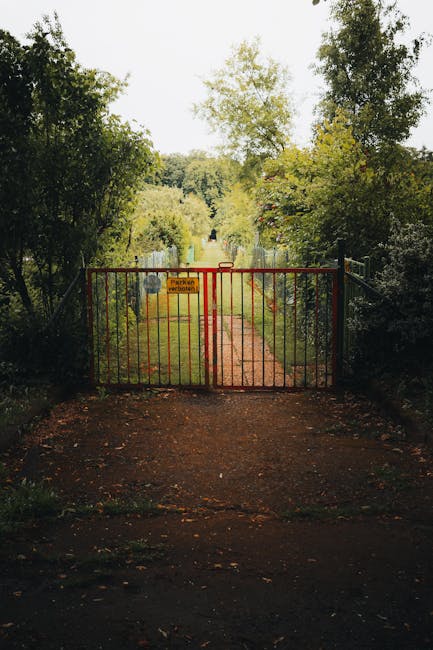
Gardeners access problems Richmond narrow streets and gates
If you live in Richmond, you already know the charm comes with a few practical headaches. Pretty terraces, tucked-away mews, side passages that barely fit a wheelbarrow, and gates that swing in awkwardly. That is exactly why Gardeners access problems Richmond narrow streets and gates is such a real issue for homeowners, landlords, and property managers. A good gardening visit is not just about plants and pruning; it is about whether the team can actually get in, move safely, and leave the place looking better than they found it.
Truth be told, access can make or break the whole job. A narrow gate can slow down hedge cutting. A shared alley can complicate garden clearance. A steep step or tight corner can turn a simple lawn cut into a careful, time-consuming operation. This article breaks down what access problems mean in practice, how professional gardeners work around them, and what you can do to make the visit smoother from the start.
Table of Contents
- Why access problems matter in Richmond
- How professional gardeners handle narrow streets and gates
- Key benefits and practical advantages
- Who this is for and when it makes sense
- Step-by-step guidance
- Expert tips for better results
- Common mistakes to avoid
- Tools, resources and recommendations
- Law, compliance, standards and best practice
- Options, methods and comparison table
- Case study or real-world example
- Practical checklist
- Conclusion
- Frequently asked questions
Why Gardeners access problems Richmond narrow streets and gates Matters
Access sounds like a small detail until it causes a delay, a damaged wall, or a job that takes twice as long as expected. In Richmond, where homes often sit behind narrow front paths, old brickwork, side returns, and tight rear entrances, the route into the garden is part of the service, not an afterthought.
For gardeners, poor access affects more than convenience. It can influence what equipment is suitable, how many team members are needed, whether waste can be removed efficiently, and how much time should be allowed. For you, that means the difference between a tidy, efficient visit and a frustrating one with extra calls, awkward rescheduling, or surprise costs. Nobody wants a mower wedged sideways in a gate at 8:30 on a Tuesday morning. That is not a good start for anyone.
Access also affects safety. Narrow streets can make loading and unloading tricky. Tight gates may force workers to carry heavy bags, tools, or cut branches by hand. That creates strain and raises the chance of knocks to property. A good gardener will want to know about the site before arriving, because a proper plan keeps the work moving and protects your garden boundaries too.
For larger projects, access matters even more. If you are planning garden clearance, tree lopping and removal, or a full landscaping job, you need a realistic approach to entry, waste removal, and equipment movement. The best results usually come from simple planning upfront, not heroic problem-solving on the day.
How Gardeners access problems Richmond narrow streets and gates Works
In practical terms, access planning starts before the team even steps out of the van. A gardener will usually want to understand three things: how they get to the property, how they get into the garden, and how they move around once inside. If any of those stages are awkward, the job plan may need adjusting.
Here is how that often plays out in Richmond homes:
- Narrow streets: Parking may be limited, so unloading needs to be quick and organised.
- Small gates: Some tools fit through easily, while larger mowers, green waste bags, or wheelbarrows may not.
- Side passages: These can be useful, but they may be uneven, damp, or too tight for bulky gear.
- Shared access: Communal routes need care and respect, especially where neighbours also use them.
- Low branches or steps: These can affect how safely equipment can be moved in and out.
Professional teams often work with smaller, more manoeuvrable tools where access is limited. For example, a compact mower or handheld trimmer may be preferable to larger machinery. In some cases, the work is split into stages: one person cuts, another bags waste, and another handles transport. It is a bit of choreography, really. Not glamorous, but effective.
Good access planning is also about communication. If you say the gate is narrow but forget to mention the lock is stiff, or the path has a broken slab, the team only finds out when they arrive. That can be sorted, but it usually adds time. A short, honest description before the visit makes everything easier.
That is why many customers start by looking at the broader service offering on the services overview page, then narrowing down what they actually need. If the work is regular, a garden maintenance visit may be enough. If the garden is overgrown or access is restrictive, a more tailored visit may be smarter.
Key Benefits and Practical Advantages
When access problems are handled properly, the benefits are immediate. The job becomes calmer, quicker, and less likely to go sideways. To be fair, that is what most people want from a gardener: solid work without hassle.
Here are the main advantages:
- Less disruption: A pre-planned route reduces noise, time on site, and repeated trips through the house or garden.
- Better safety: Smaller tools, careful lifting, and measured movement reduce the risk of injury or damage.
- Cleaner finishes: When access is organised, waste removal and final tidy-up are far easier.
- More accurate pricing: Access details help produce quotes that reflect the actual time and labour involved.
- Less stress for you: No last-minute surprises, no awkward phone calls, no wondering whether the team can even fit through the gate.
There is also a subtle but important benefit: better results. When gardeners are not wrestling with avoidable access issues, they can focus on the quality of the work itself. That matters whether you need hedges shaped neatly, lawn edges cleaned up, or a garden cleared before a sale or rental check.
If you are comparing options, it is worth checking how a provider handles practical details such as pricing and quotes, insurance and safety, and clear working practices. These pages may not look exciting at first glance, but they tell you a lot about how seriously a company takes the day-to-day realities of access-limited work.
Who This Is For and When It Makes Sense
This topic matters to more people than you might think. Yes, it is relevant for homeowners with compact gardens, but it also applies to landlords, letting agents, older properties, and anyone with awkward shared access.
You will probably benefit from access planning if you are:
- living in a terraced property with a narrow side entrance
- managing a garden behind a basement flat or split-level house
- dealing with a front garden behind a small pedestrian gate
- arranging work in a mews, courtyard, or tucked-away rear garden
- preparing a property for sale or new tenants
- booking regular maintenance in a place where parking is tight
It also makes sense if your garden work involves bulkier tasks. A light tidy-up is one thing. A hedge reduction, tree pruning, or major clearance job is another. A narrow gate that is merely annoying for a lawn cut can become a serious bottleneck when branches, sacks, or boards need moving through it.
For more specialised jobs, access is not just a convenience issue, it is part of the job specification. That is especially true for hedge trimming, lawn mowing, and garden clearance, where repeated movement in and out of the space can take up a surprising amount of time.
If your garden has no easy route at all, that does not mean the work is impossible. It just means the team needs to know early. The difference between a smooth job and a difficult one is often just a bit of prep.
Step-by-Step Guidance
If you are arranging gardening work in Richmond and you suspect access will be tight, this is the simplest way to approach it.
- Measure the gate and key pinch points. Width matters, but so does height, swing direction, and what sits immediately inside the entrance.
- Look at the route from the street to the work area. Is there a narrow passage, a steep step, a slippery slab, or a sharp corner?
- Check where tools and waste can be staged. Sometimes a small landing area or patio corner makes all the difference.
- Photograph the access path. A few clear pictures often tell the story better than a long explanation.
- Describe the job honestly. Mention overgrowth, hidden bins, locked side gates, and any obstacles that could slow entry.
- Ask how the team will work around it. Will they use smaller equipment, split the visit into phases, or need extra time?
- Confirm waste handling. If access is tight, waste may need to be bagged and carried out in smaller loads. That should be planned, not improvised.
A practical example: a Richmond homeowner wants their back garden cleared, but the only access is a narrow side passage with a sharp bend. A sensible plan might involve smaller bags, hand tools, and a slower, staged removal process. That is not a problem in itself. It just needs the right setup from the outset.
It helps to think of access as part of the quote. Not an optional extra. Not a nuisance. Just part of the work conditions, like weather or plant size. Once you see it that way, the whole process becomes less awkward.
Expert Tips for Better Results
In our experience, the best access jobs are the ones that look boring from the outside. No drama, no scramble, no last-minute reshuffling. Just a clean plan and a team that knows what it is walking into.
- Send photos before the visit. One image of the gate, one of the route, one of the main work area. Simple, and very helpful.
- Be specific about widths. "Narrow gate" means different things to different people. A rough measurement is far better than a vague description.
- Move cars, bins, and bikes beforehand. Small blockers become big ones once tools and waste are involved.
- Tell the gardener about surface issues. Mud, moss, loose gravel, or a broken step can change how equipment is brought in.
- Expect a slight slowdown. If the access is genuinely tight, a careful team will work more slowly. That is usually a good sign, not a bad one.
Another useful tip: if you need repeated visits, create a permanent access routine. Leave one gate key location agreed, keep the route clear, and avoid blocking side paths with storage. It sounds obvious, but life gets busy and these little things drift.
If you are also planning visual improvements to the garden, access planning should happen alongside the design work. That is where services like landscape gardening or decking services benefit from early thinking. You do not want to design a beautiful garden and then realise the only route in cannot handle the materials. That would be, frankly, a bit annoying.
Common Mistakes to Avoid
The most common mistake is underestimating the access problem. People often assume a gardener will simply "manage somehow". Sometimes they will. But managing somehow is not the same as doing the job efficiently.
- Not mentioning the narrow gate until arrival: This is the classic one. It usually creates delays straight away.
- Assuming full-size tools will fit: Many do not, especially through older timber gates or tight side passages.
- Leaving access cluttered: Hosepipes, storage boxes, prams, and garden furniture all eat space fast.
- Forgetting about waste exit routes: It is one thing to get in; it is another to remove trimmings and debris cleanly.
- Ignoring neighbour or shared-entry issues: If access crosses a communal area, everyone's schedule matters.
A smaller but still important mistake is focusing only on price. A cheaper quote may look good until access complications add extra time or force a second visit. Better to ask upfront how the job will be handled than to discover problems on the day. Nobody enjoys paying for avoidable chaos. Really, nobody.
If a provider talks clearly about working conditions, safety, and scheduling, that is a positive sign. You may also want to review how they handle complaints and standards through pages such as complaints procedure and health and safety policy. It gives a sense of professionalism without you having to guess.
Tools, Resources and Recommendations
When access is tight, the right tools matter more than you might expect. Not in a flashy way. Just in the practical, steady way that gets the work done without scraping walls or dragging debris through a tiny doorway.
| Access challenge | Helpful approach | Why it helps |
|---|---|---|
| Narrow gate | Smaller hand tools and compact equipment | Reduces forced manoeuvring and damage risk |
| Long side passage | Staged bagging and fewer large loads | Makes movement easier and safer |
| Shared access route | Clear scheduling and tidy staging | Limits disruption to neighbours |
| Overgrown entryway | Initial clearance before main work begins | Creates room to work properly |
| Waste removal difficulty | Smaller loads, sacks, and more frequent clearing | Prevents bottlenecks at exit points |
As for recommendations, start with the basics: clear measurements, photos, and an honest description of the site. Then think about the job type. If the work is regular, maintenance is often the most efficient route. If the garden has become unmanageable, a one-off clean-up through garden clearance may be the better reset.
If you are looking at longer-term improvement, browsing landscaping and related garden planning services can help you spot access issues before they become expensive design mistakes. A good plan saves a lot of sighing later on.
Law, Compliance, Standards and Best Practice
Access problems are not only about convenience. They also touch on safety, property care, and sensible working practice. In the UK, gardeners and landscaping teams are expected to work with reasonable care, keep workplaces safe, and avoid creating unnecessary hazards. The precise duties vary depending on the job and setting, so it is wise to stay cautious and practical rather than make sweeping assumptions.
For a homeowner, the best practice is straightforward:
- provide accurate access information before the visit
- remove avoidable obstacles where possible
- disclose anything that could affect safety, such as unstable steps or damaged paving
- agree how waste will be taken out if the garden route is tight
For a gardening business, the standard should be equally clear: assess the site properly, use appropriate equipment, and avoid putting pressure on workers to rush through an unsafe entrance. It is better to reschedule or adjust the plan than to force a poor setup. That is just sensible practice.
Insurance and safety are also worth checking. If access is tricky, the chances of incidental damage rise slightly, even with careful work. A business that is transparent about insurance and safety shows that it understands this reality. You do not need jargon. You need reassurance that the job is being handled properly.
If sustainability matters to you, it is also reasonable to ask how green waste is managed and whether materials are handled responsibly. For some customers, a sensible approach to recycling and sustainability is part of the decision as well.
Options, Methods, or Comparison Table
There is no single right way to deal with access issues. The best method depends on the garden, the job size, and how tight the route really is. Here is a simple comparison to help you think it through.
| Method | Best for | Pros | Trade-offs |
|---|---|---|---|
| Standard equipment visit | Reasonably open access | Fast, straightforward, cost-efficient | Not suitable for very tight gates |
| Compact-tool visit | Narrow gates and short paths | Flexible and safer in tight spaces | May take longer on larger gardens |
| Staged clearance | Heavy overgrowth or large waste volumes | Controls movement and reduces congestion | More time on site |
| Repeat maintenance plan | Regular gardens with awkward access | Keeps the space manageable all year | Requires consistency |
For many Richmond properties, a repeat maintenance plan is the quiet winner. It stops the garden from reaching the stage where access becomes a full-scale obstacle course. If the site is already tight, regular care often prevents the sort of buildup that makes a small gate feel even smaller.
When the job is more ambitious, maybe involving structural changes or improved flow into the space, it can be worth looking at landscape gardening rather than just one-off tidying. The access route itself can sometimes be improved as part of the wider garden plan.
Case Study or Real-World Example
A typical Richmond scenario goes something like this. A homeowner has a rear garden behind a terrace house. The only access is a narrow side passage with a latch gate that opens inward, and the path bends around the kitchen wall. The garden has become overgrown after a wet stretch, with hedge growth spilling across the border and a lot of cuttings likely to come out of the space.
On paper, it sounds awkward. In practice, it is manageable with the right setup. The gardener arrives with smaller tools, checks the passage first, and decides not to bring in bulky equipment that would slow everything down. Waste is bagged in manageable amounts, the hedge is cut in sections, and the route is kept clear while the work progresses. No drama. Just steady work.
The real difference here was not brute force. It was preparation. Because the access was discussed before arrival, the visit took place with the right expectations. The customer knew why the job was being handled in stages, and the team could work without fighting the site the whole time.
That sort of planning is especially useful for properties needing broader support such as lawn mowing or hedge trimming. Once the access route is understood, even small recurring jobs become much easier to manage.
Practical Checklist
Use this checklist before booking a gardener for a Richmond property with narrow streets or gates.
- Measure the gate width and note whether it opens inward or outward
- Check for steps, bends, slopes, or slippery surfaces along the route
- Take a few photos of the access path and main garden area
- Tell the gardener about parking limits or loading restrictions
- Move bins, bikes, furniture, and anything else that blocks passage
- Say whether the job involves clearance, pruning, mowing, or landscaping
- Ask how waste will be removed from the site
- Confirm whether the team needs smaller tools or extra time
- Make sure shared entrances or neighbour access are respected
- Keep keys, locks, and entry codes ready if needed
Expert summary: the cleaner the access information, the better the job tends to go. A narrow gate is not a deal-breaker. It is simply a planning detail. Once that is accepted, everything becomes easier to organise.
Get a free quote today and see how much you can save.
Conclusion
Garden access problems in Richmond are common, but they are rarely impossible. The real issue is usually not the narrow street or small gate itself. It is the lack of preparation around it. With clear measurements, honest communication, and the right tools, even awkward properties can be maintained properly and safely.
If you are dealing with a tight entrance, think of it as a planning task rather than a barrier. Once the access route is understood, the whole job becomes more predictable, more affordable, and a lot less stressful. That matters whether you need routine upkeep, a one-off clearance, or a bigger redesign of the space.
And honestly, there is something very satisfying about turning a difficult garden entrance into a workable routine. Small win, but a real one.
Frequently Asked Questions
What should I tell a gardener about a narrow gate in Richmond?
Tell them the gate width, whether it opens inward or outward, and whether anything blocks the route once they are inside. Photos help as well. A quick visual often saves a lot of back-and-forth.
Can gardeners still work if the only access is through a tight side passage?
Usually yes, provided the passage is safe enough to use and the job is planned properly. Smaller tools, staged waste removal, and careful movement are often enough to make it workable.
Does access difficulty affect the price of garden work?
It can. Tight access may increase time on site, require smaller tools, or slow down waste removal. A fair quote should reflect the real conditions rather than pretend the site is easy when it is not.
What kinds of garden jobs are most affected by access problems?
Clearance jobs, hedge work, tree-related work, and landscaping are often the most affected because they involve bulkier waste or more equipment movement. Lawn cutting and general maintenance can also be affected, just usually to a lesser degree.
How can I make a narrow Richmond garden easier for gardeners to access?
Clear the route before the visit, move clutter, check locks, and share photos ahead of time. If the garden is used as storage, give the team a clear path from the street to the working area.
Is it better to book a one-off clearance or regular maintenance for awkward access?
That depends on the condition of the garden. If it is already heavily overgrown, clearance may be the better starting point. If you want to avoid the issue returning, regular maintenance is often the smarter long-term choice.
What if the gardener cannot get larger equipment through my gate?
They may switch to smaller tools or change the working method. In some cases, the job can still be done efficiently, but it may take longer. That is one reason to mention the gate size before the visit.
Should I measure the gate myself?
Yes, if you can. Even a rough measurement is useful. Width, height, and swing direction all matter. If you are not sure, a photo with a tape measure in view can be very helpful.
Do shared access paths create extra issues?
They can. Shared routes often require more care because neighbours may need access at the same time. The gardener should know if the route is communal, because it affects where tools can be stored and how waste is moved.
Can access problems damage walls, fences, or paving?
They can, especially if the route is very tight or the surfaces are uneven. That is why careful lifting, smaller loads, and the right equipment matter. A professional team should aim to minimise that risk from the start.
What if the garden is in a Richmond mews or terrace with no easy parking?
That is common enough, and it can be managed with good timing and efficient unloading. The key is to tell the gardener in advance so they can plan around parking limits and avoid delay on arrival.
Where should I start if I want help with this kind of garden?
Start with the service that best matches the job itself, then share access details early. For most people, the right next step is to review the available services and request a quote based on the actual site conditions. A little honesty upfront saves a lot of hassle later.